In an increasingly digital world, the lines between public discourse, platform policy, and potential censorship have become a frequent topic of debate. Recent discussions, such as the controversy surrounding Jimmy Kimmel's monologue and the subsequent suspension of Charlie Kirk by X (formerly Twitter) as highlighted by Brendan Carr, illustrate the intense scrutiny and public concern over how online platforms moderate content. These events underscore a critical need for tools that can bring clarity and transparency to content governance, ensuring fair play and upholding the principles of free speech. Enter Veritas Sentinel , an innovative Content Integrity & Transparency Platform designed to empower content creators, media organizations, and even vigilant users with the insights needed to navigate the complex landscape of online moderation. Far from being just another analytics tool, Veritas Sentinel offers a robust suite of features aimed at monitoring moder...
Sony Mobile Exits Russian Market Completely Shutdown Ends Xperia Phone Support and Official Sales in Russia
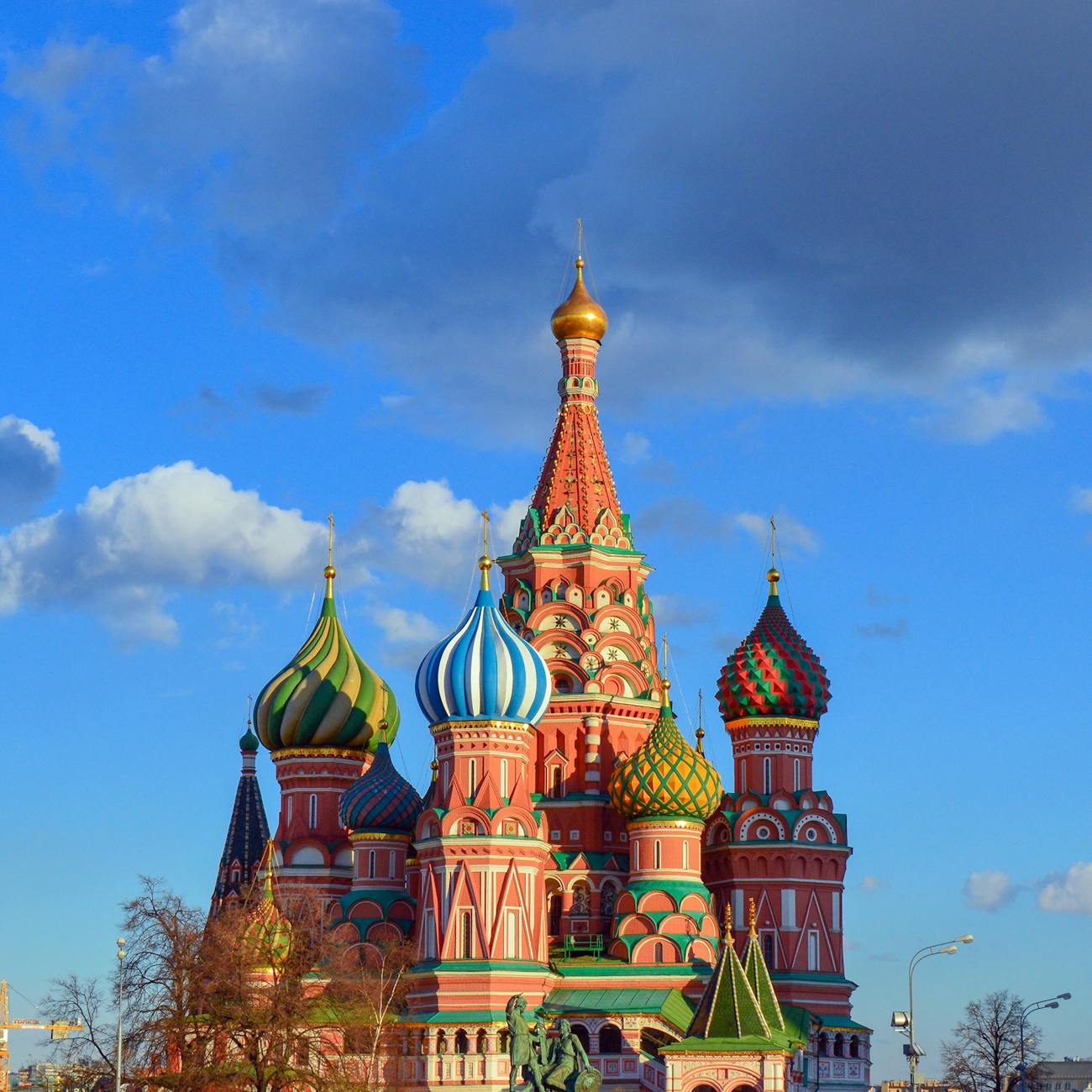
The tech landscape is ever-shifting, and sometimes, the most impactful news isn't about a new gadget, but about a company's strategic withdrawal from a significant market. Such is the case with Sony Mobile, which has officially completed its full exit from the Russian market. This strategic move marks a definitive end to official Xperia phone sales, technical support, and the entire related ecosystem within Russia, leaving a notable void for existing users and potential buyers alike. For those who have relied on Sony's distinctive mobile offerings, or were considering them, this development necessitates a complete re-evaluation of their mobile technology strategy.
Key Takeaways
- Official sales channels for Sony Xperia smartphones and related accessories in Russia have ceased.
- Comprehensive official technical support, including warranty services and repairs, is no longer available.
- Existing Xperia users in Russia must now explore alternative solutions for software updates and device maintenance.
Features
When a major brand like Sony Mobile exits a market, it's not just about phones disappearing from store shelves. It impacts a multitude of "features" or aspects of the product experience that users often take for granted. The "features" that are now defunct for Sony Xperia users in Russia include:
- Official Sales & Distribution: The complete shutdown means no new Xperia models will be officially imported or sold through authorized retailers in Russia. This also extends to official accessories, parts, and bundled offers.
- Warranty and Repair Services: Official Sony warranty claims and authorized repair centers are no longer operational, making it difficult, if not impossible, for users to get official repairs for hardware issues covered under warranty.
- Software Updates & Security Patches: While existing devices may continue to function, the discontinuation of support strongly implies that crucial future Android OS updates and vital security patches may cease or become sporadic, leaving devices vulnerable or outdated.
- Customer Support & Engagement: Direct official customer support channels for mobile products, including helplines and online forums managed by Sony Mobile for the Russian market, are no longer active.
- Ecosystem Integration: While other Sony divisions (like PlayStation or Bravia TVs) might operate independently, the loss of mobile support could indirectly impact the seamless integration experience for users who relied on their Xperia phone as a central hub for various Sony devices.
Pros
While a market exit can seem overwhelmingly negative for consumers, there are subtle 'pros' that emerge from such a decisive move, particularly in terms of clarity and market evolution:
- Clear Direction for Consumers: The unequivocal nature of the exit means there's no ambiguity for consumers. Those who were on the fence about purchasing a new Xperia device or holding onto an old one now have a clear signal to explore alternatives from other brands.
- Increased Competition for Alternatives: The void left by Sony Mobile may encourage other smartphone manufacturers to strengthen their presence and offerings in the Russian market, potentially leading to more competitive pricing and diverse product choices.
- Sony's Strategic Focus: From Sony's perspective, this exit allows them to reallocate resources and focus on markets where they see greater strategic advantage and operational efficiency.
Cons
For the average consumer and existing Sony Xperia owner in Russia, the drawbacks of this complete withdrawal are significant and far-reaching:
- Lack of Official Support: This is arguably the biggest blow. Without official warranty or repair services, a malfunctioning device essentially becomes unfixable through authorized channels. Users will have to resort to unofficial repair shops, risking parts quality and expertise.
- No Future Software Updates: The absence of official support typically means an end to crucial software updates, including new Android versions and, more critically, security patches. This leaves devices vulnerable to cyber threats and limits access to new features.
- Difficulty in Device Acquisition: For loyal Xperia fans, purchasing a new device will become challenging, likely relying on grey market imports which come without local warranty or official support.
- Reduced Resale Value: Existing Xperia phones in Russia will likely see a significant depreciation in their resale value due to the lack of ongoing official support and limited future viability.
- Uncertainty for Accessories and Parts: Finding genuine Sony Xperia accessories (chargers, cases, headphones designed for specific Xperia models) and replacement parts will become increasingly difficult.
Verdict
Sony Mobile's complete exit from the Russian market is a definitive moment for the brand and its users in the region. For existing Xperia owners, it signals a period of uncertainty, necessitating a pivot towards third-party solutions for maintenance and a strong consideration for alternative brands for future purchases. For potential buyers, the message is unequivocal: official Sony Xperia phones are no longer a viable option in Russia. This move underscores the geopolitical and economic pressures that can profoundly impact the availability and support of beloved tech products. Consumers are advised to look towards brands with a strong, committed presence and robust support infrastructure within their specific market.
FAQ
What does Sony Mobile's complete shutdown mean for my existing Xperia phone in Russia?
It means that official sales, warranty services, and technical support directly from Sony Mobile for your Xperia device are no longer available in Russia. Your phone will likely continue to function, but future official software updates and authorized repairs will cease.
Can I still get my Sony Xperia phone repaired in Russia?
You will no longer be able to access official Sony authorized repair centers in Russia. Any repairs would need to be sought through independent, third-party repair shops, which may not use genuine parts or offer the same quality of service.
Will my Xperia phone still receive Android updates and security patches?
While some existing devices might have received their last planned updates, ongoing software updates and critical security patches from Sony Mobile are highly unlikely to be delivered to devices in Russia due to the complete withdrawal of support. Sony's official support pages are the best resource for general update information, but regional specifics are crucial here.
Where can I buy a new Sony Xperia phone in Russia now?
Official sales channels for new Sony Xperia phones have been shut down. Any new devices found will likely be grey market imports, which do not come with an official Russian warranty or support from Sony Mobile.
Does this exit affect other Sony products, like PlayStation consoles or Bravia TVs, in Russia?
This specific exit is stated to be for "Sony Mobile," primarily concerning Xperia smartphones. Other Sony divisions, such as Sony Interactive Entertainment (PlayStation) or Sony Electronics (Bravia TVs, cameras, audio equipment), operate independently and their market presence in Russia may differ. For details on other Sony products, it's best to consult their respective official channels or general Sony corporate information.
Conclusion
The departure of Sony Mobile from the Russian market is a significant event, reshaping the mobile phone landscape for consumers in the region. It underscores the challenges and uncertainties that can arise in the global tech industry, impacting everything from device availability to ongoing support. For those previously considering or currently owning an Xperia device in Russia, the time has come to explore reliable alternatives and ensure their mobile technology choices align with the realities of the current market. As we've discussed in our previous tech reviews, understanding a brand's long-term commitment to a market is just as crucial as the features of the device itself.
Moving forward, consumers in Russia should prioritize brands that demonstrate a stable and long-term commitment to their market, ensuring access to official sales, comprehensive warranty, and consistent software support. This strategic shift will safeguard their investment and provide a more reliable mobile experience.
Further reading on market exits and their implications can be found on reputable tech news sites such as GSMArena, which often covers global market developments.
Mobile Industry News, Smartphone Market Analysis, Tech Industry Updates, Sony Xperia
Comments
Post a Comment